
Porto Liscia
41.19339787253241, 9.289258713475842
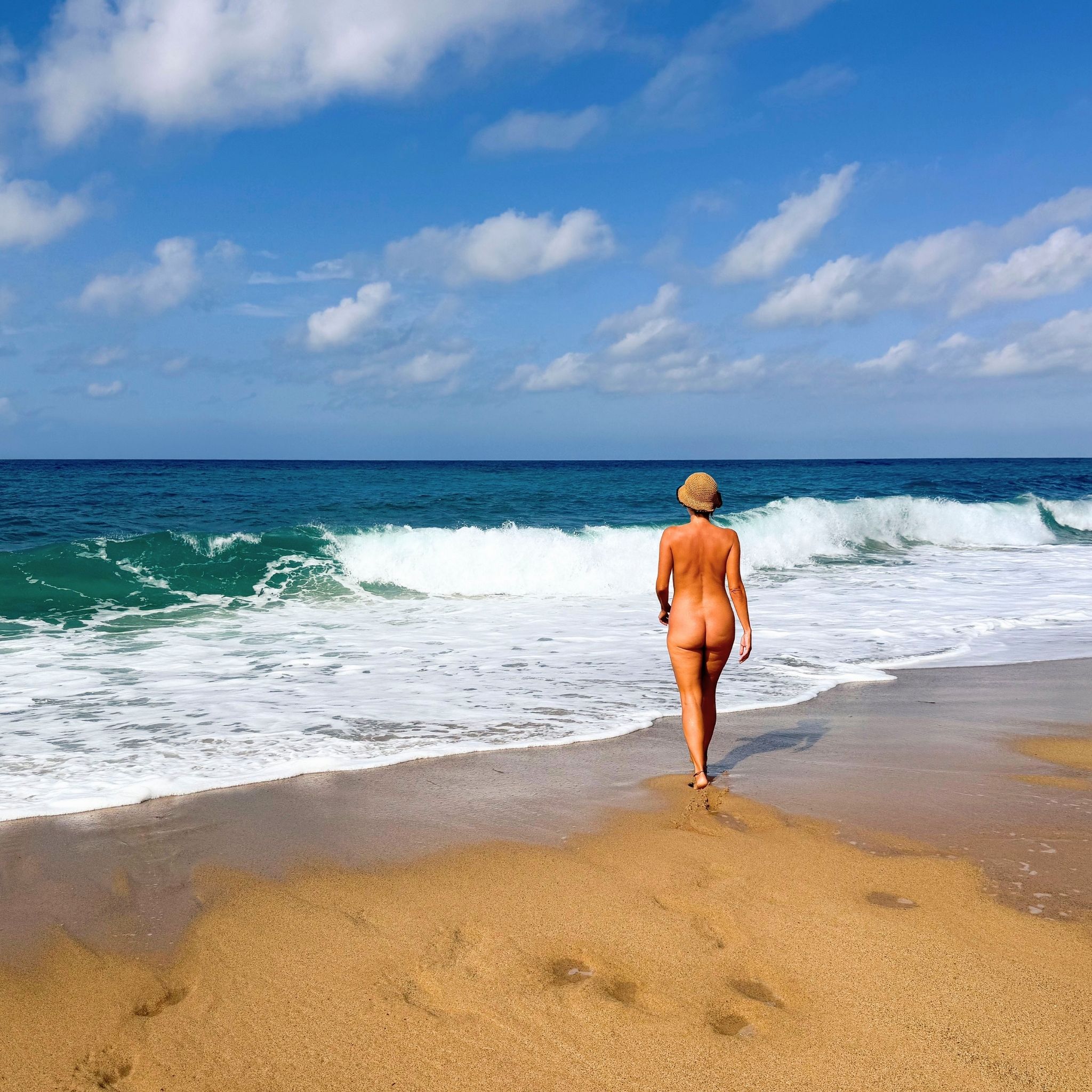
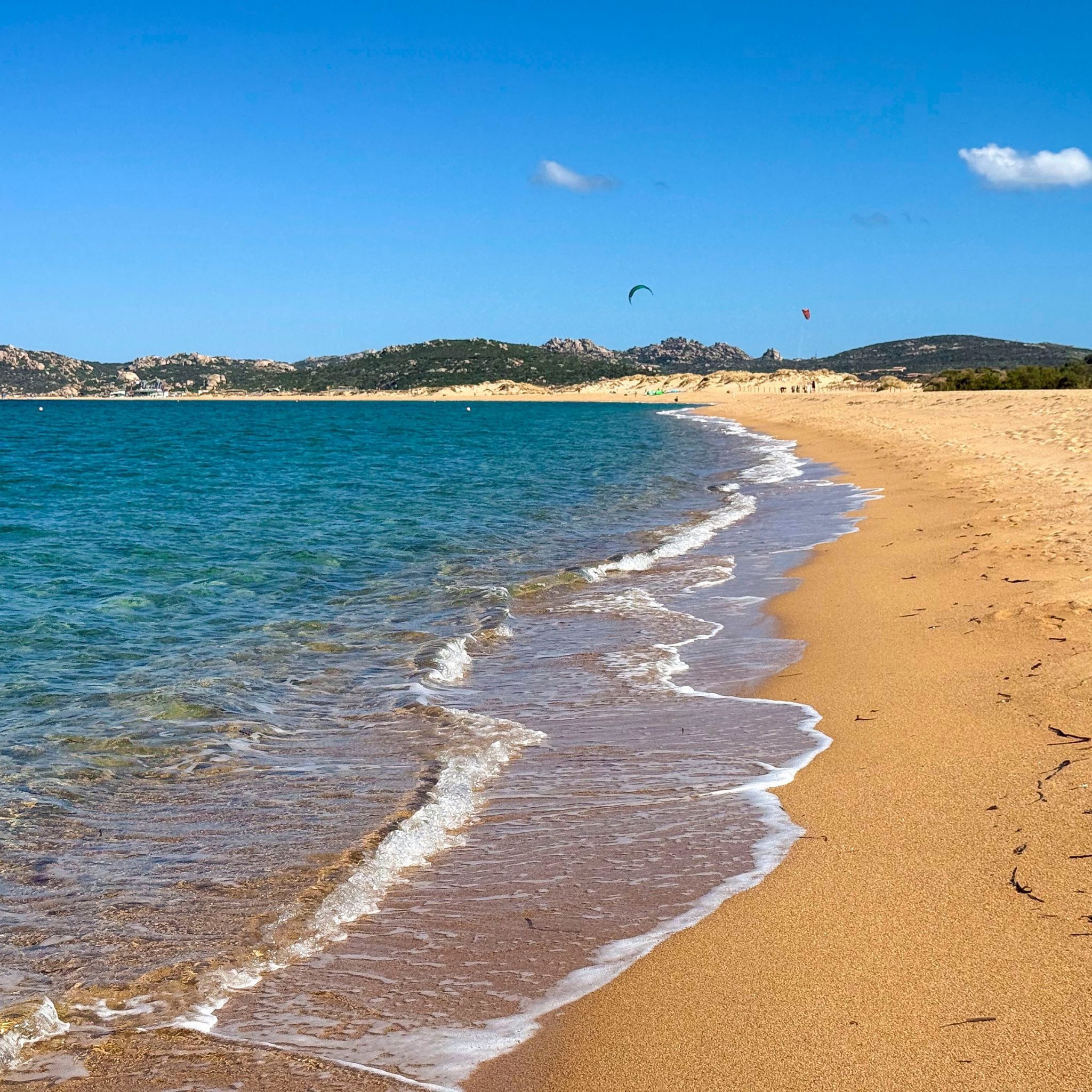
Porto Liscia is a relaxed, low-key beach near Porto Pollo in the far north, tucked behind a lagoon with dunes that give some shelter from the wind. Nudity here is well tolerated rather than officially designated, and the naked crowd gathers to the left of the Liscia river mouth, in a quieter, more natural stretch. The water is calm and easy to get into.
AccessibleNatural settingSandyNo facilities
Cala di Volpe
41.07370504315286, 9.528740034839224
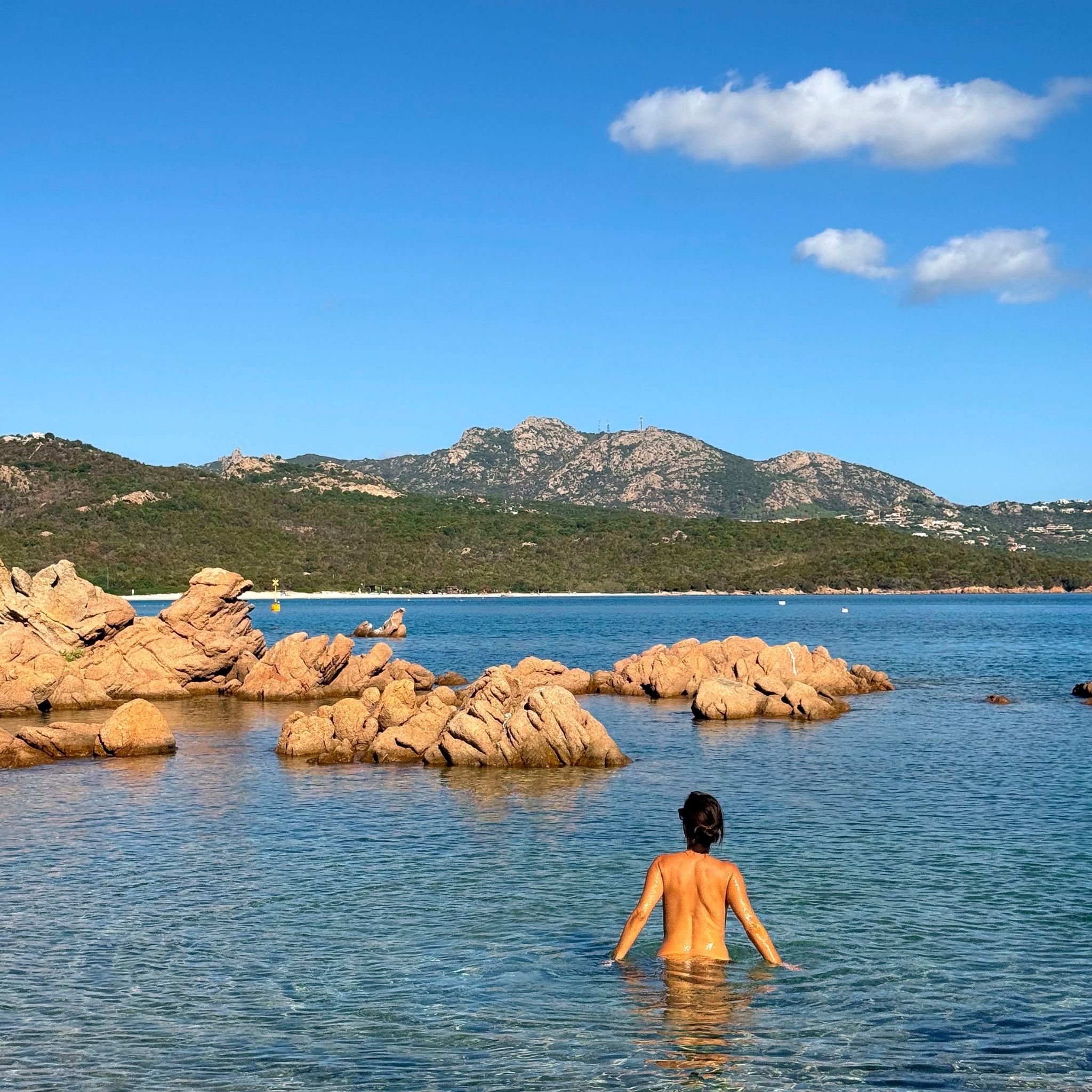
Cala di Volpe sits in the heart of the Costa Smeralda, with luxury villas and beach bars on the main stretch. Following the coastal trail past the developed area leads to a series of small, shallow coves with sandy water, where people gather to skinny dip. It’s quieter and far less developed than the main beach, and rewards the walk.
AccessibleNatural settingSandyRockyNo facilities
Sa Marina
39.826978995032334, 9.67954447521318
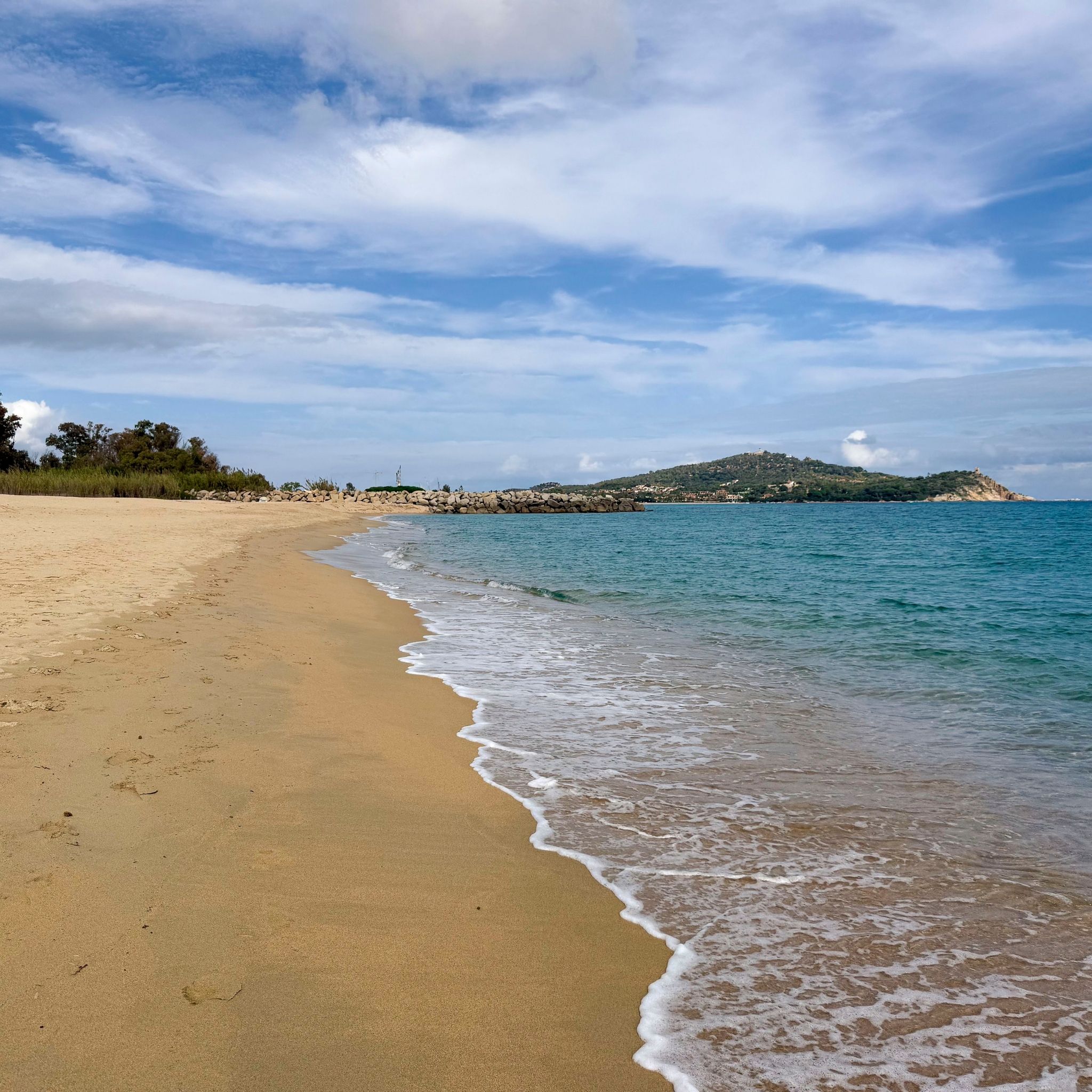
Sa Marina, in the municipality of Bari Sardo, has an officially designated clothes-free section of around 200 to 250 metres, though there’s no real signage. Instead, look for two small chain markers along the beach that mark where the section begins and ends. The sand is light and mixed with pebbles, the water is clear and deep, and the setting is wild and largely untouristy.
AccessibleNatural settingSandyNo facilities
Lido di Orri
39.90253206855121, 9.682243695357364
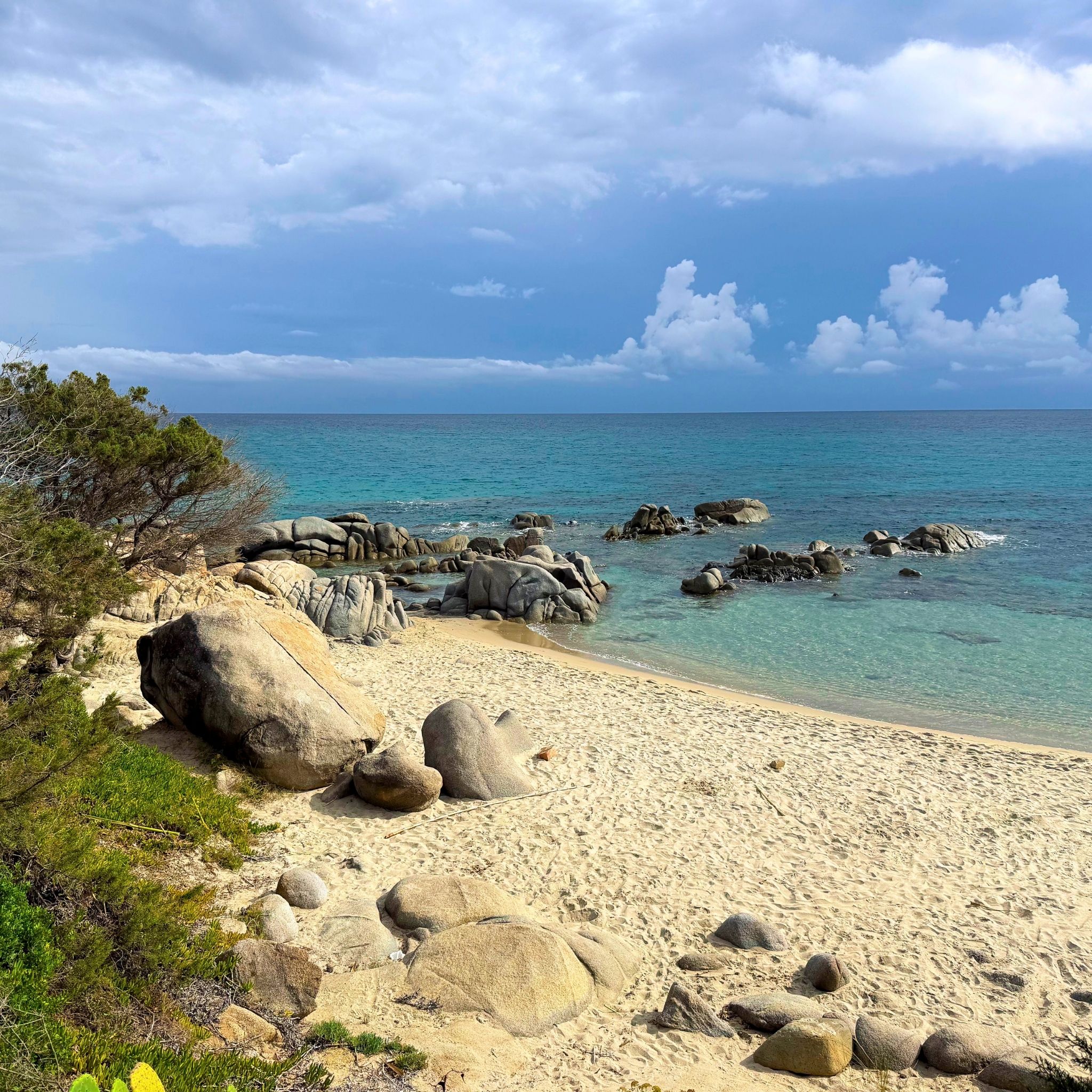
Lido di Orri is a long stretch of beach near Tortolì, and how clothes-free it feels depends entirely on the day and the season. On quiet days, nude beachgoers can have long stretches to themselves, but summer crowds bring plenty of bathing suits too. Smaller coves further south, including Piscinetta and Il Golfetto, also have a reputation for nude use, though it’s hit or miss which of them will be clothes-free on any given day.
AccessibleUrban/developedSandyNo facilities
Feraxi
39.32928323469154, 9.59943503157797
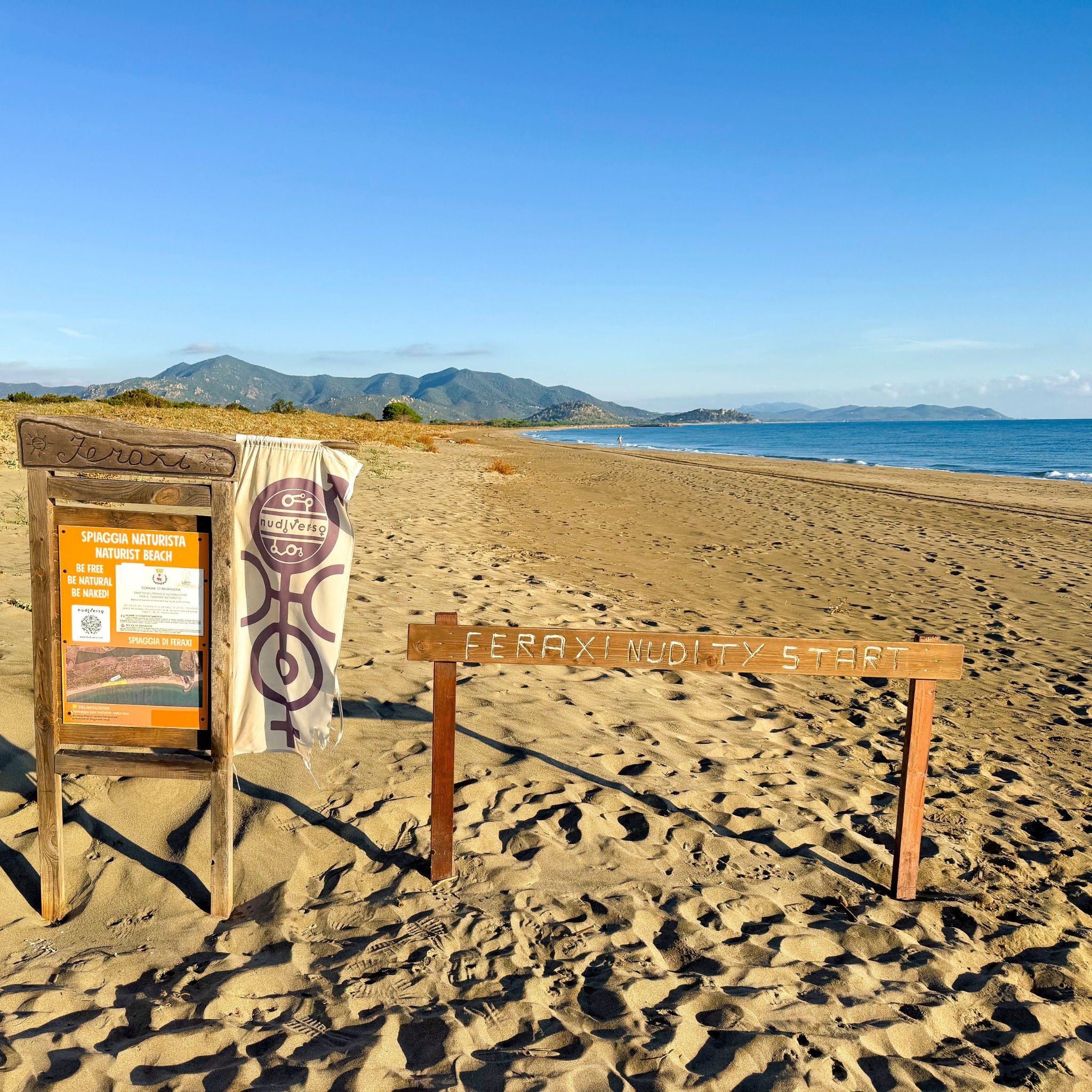
Feraxi, near Muravera, is one of only a handful of officially recognised clothes-free beaches in Sardinia, established by the municipality in 2022. Clear signage marks exactly where the 400 metre nude section begins, along a stretch of sandy beach backed by mountains. The water is calm and easy, without the guesswork that comes with the island’s informal spots.
QuietRemoteAccessibleNatural settingSandyNo facilities
Porto Sa Ruxi
39.129896025798274, 9.451908295545095
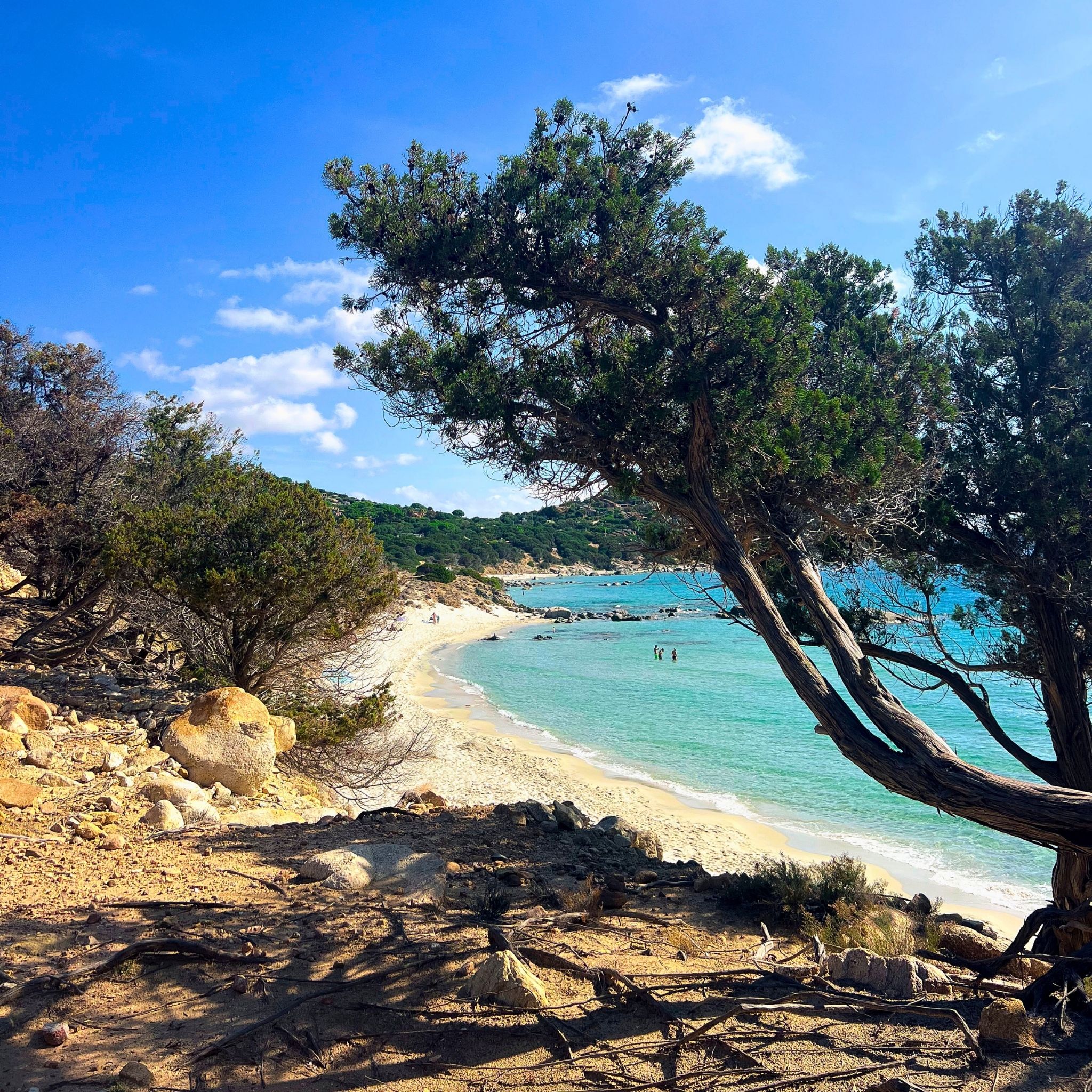
Porto Sa Ruxi, near Villasimius, is a series of coves with white sand and shallow, brilliant blue water. The first coves are used mainly by bathing suits, but the more secluded coves further along are where nude beachgoers gather, on a rocky stretch with no official markers. The trail out to these coves has some of the best views on this list.
LivelyAccessibleNatural settingSandyNo facilities
Cala Fighera
39.18340970559725, 9.162127600864743
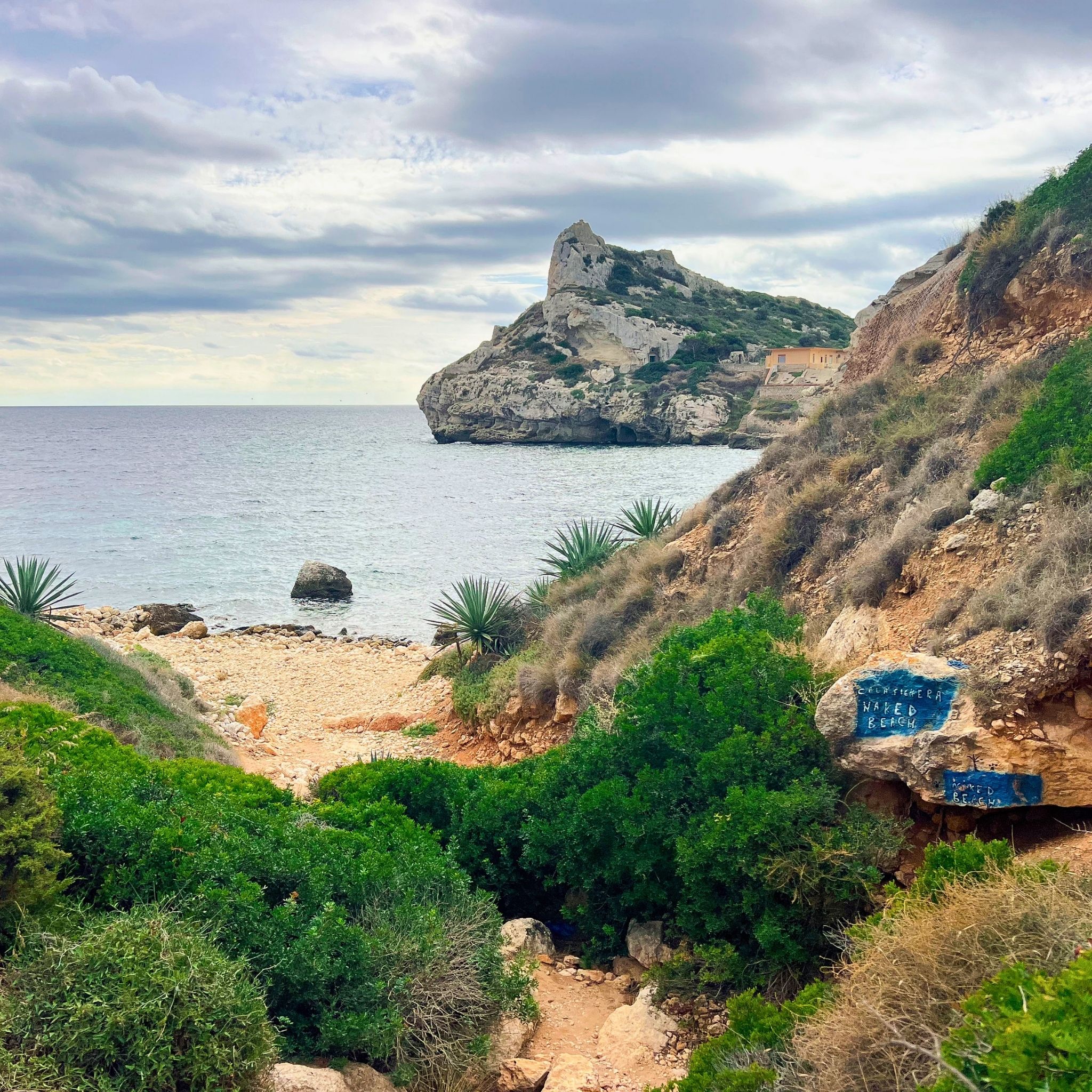
Cala Fighera is the closest nude beach to Cagliari, with a local, low-key feel rather than a polished one. There’s no sand, just rocks and pebbles in a small cove, but the setting is dramatic, with high cliffs and deep blue water. Rock paintings and stone seating built by regular visitors mark it as a longstanding nude spot. Access has reportedly been restricted at times due to rockfall risk, so check local conditions before the hike.
LivelyNatural settingSandyRockyNo facilities
Piscinas
39.53728510150983, 8.445525568149089
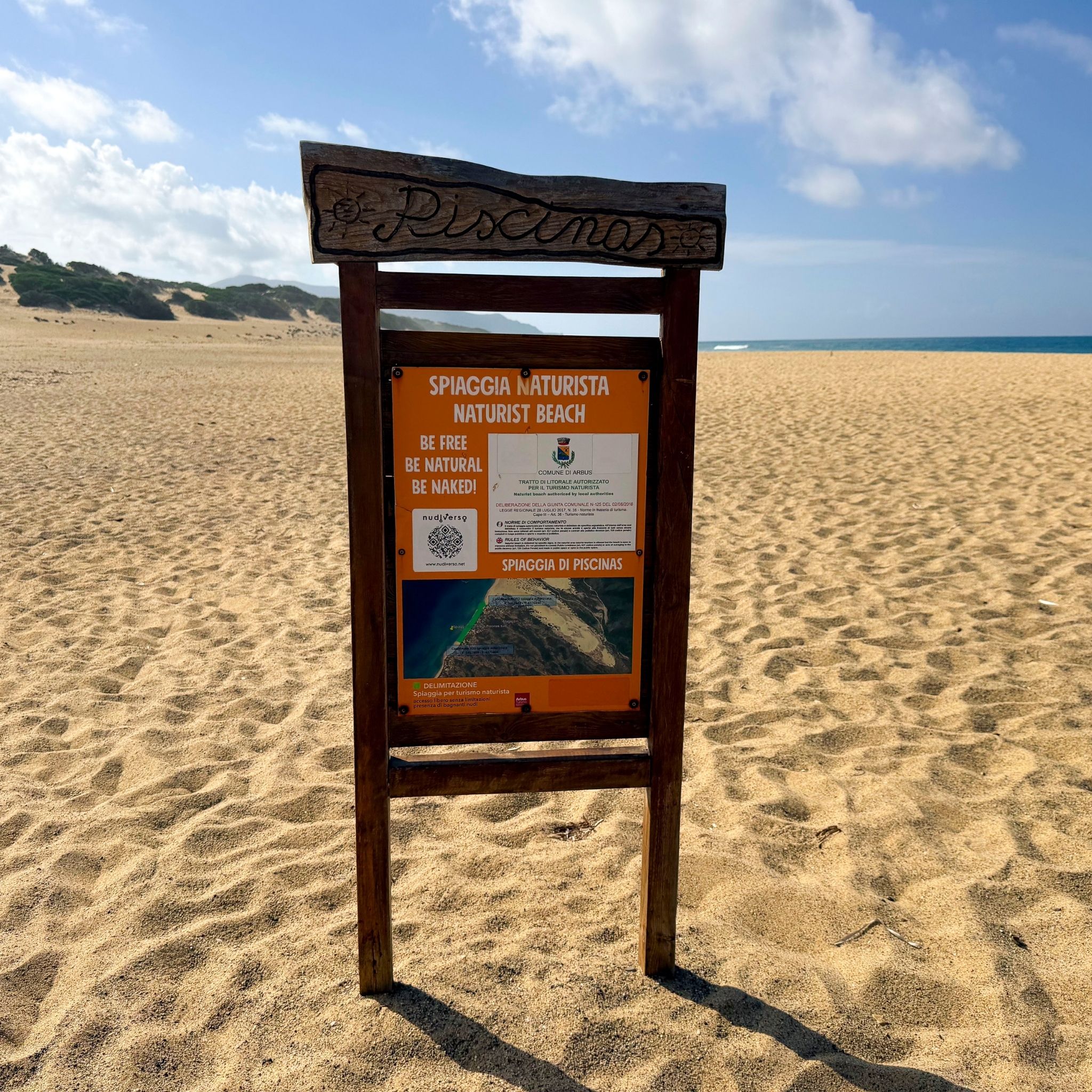
Piscinas, on the Costa Verde, is one of the wildest nude beaches in Europe, backed by some of the highest sand dunes on the continent, part of a UNESCO-recognised dune system. An 800 metre section was officially authorised as a clothes-free beach by the municipality of Arbus in 2018, making it one of the largest official nude beaches in Europe. The area feels remote, with little around beyond the beach itself, sand, sea and sky.
AccessibleNatural settingSandyNo facilities
Maimoni
39.91238510664759, 8.400099129256525
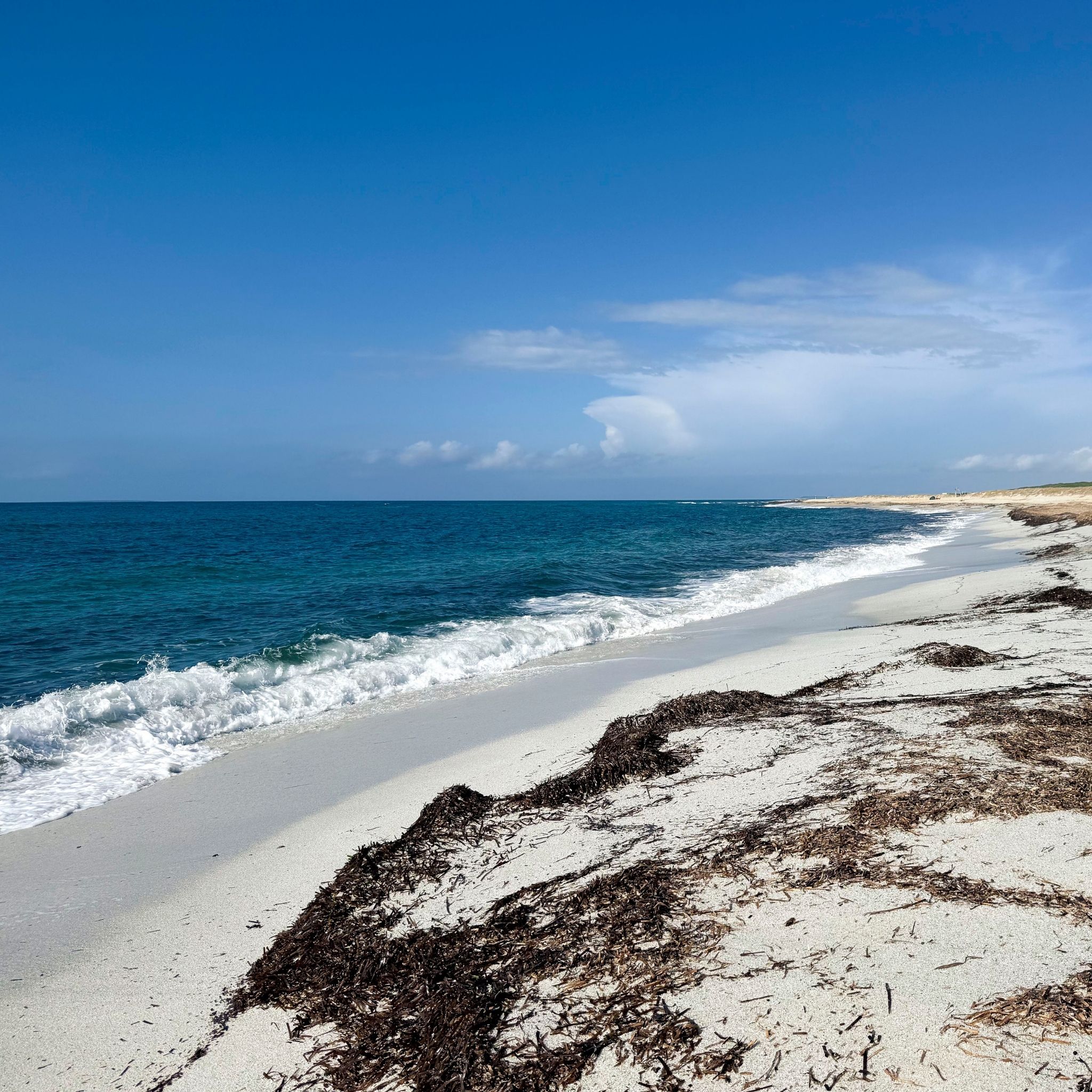
Maimoni, on the Sinis peninsula, is known for its rare quartz sand, fine grains of white, pink and amber that catch the light unlike anywhere else on this list. The beach is long and natural, and nude beachgoers gather at the southern end. It’s an unofficial spot, so how clothes-free it feels depends on who else turns up that day.
QuietNatural settingSandyNo facilities
Baia delle Ninfe
40.61195144286585, 8.212694298581683
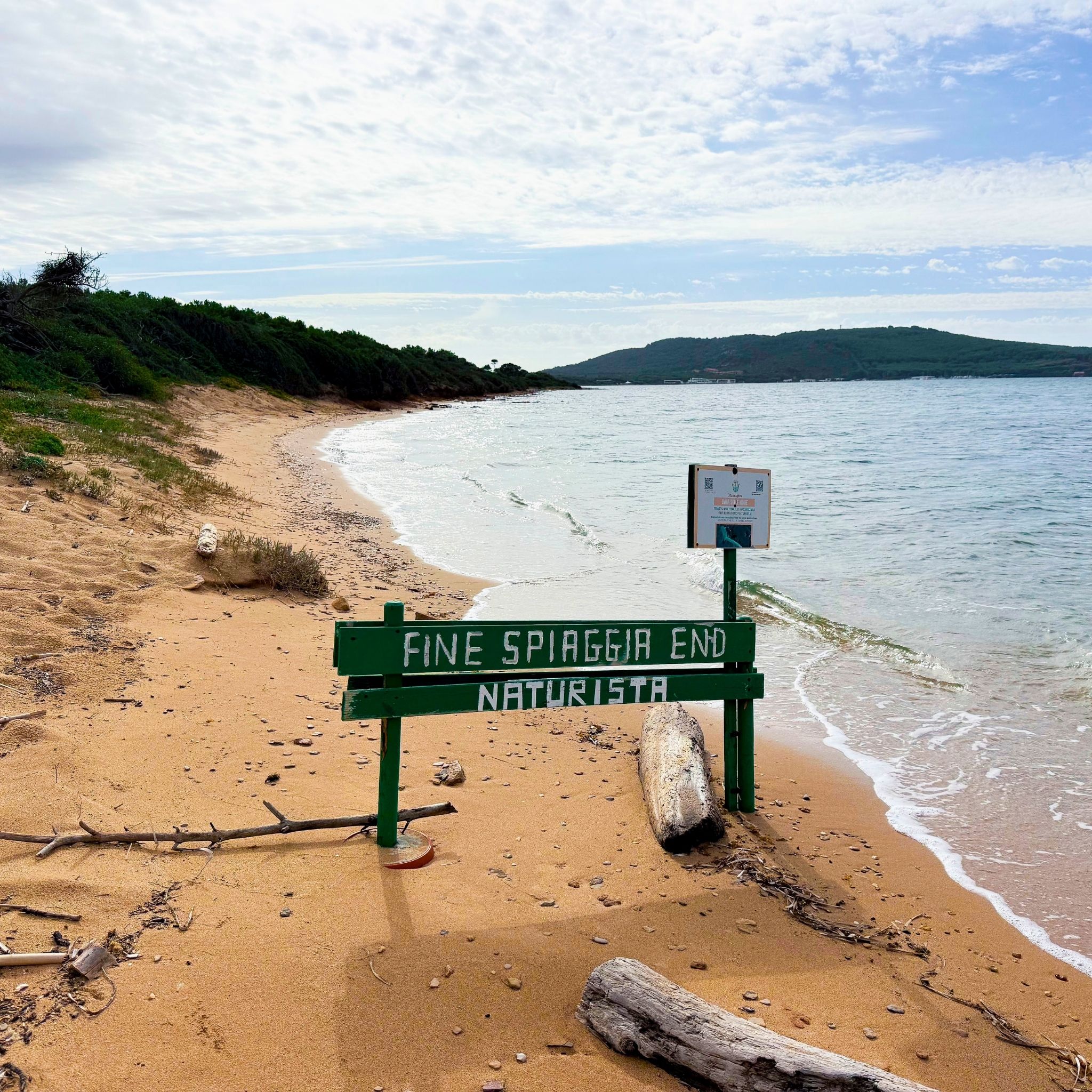
Baia delle Ninfe, near Alghero, only became an officially recognised nude beach in 2022, making it one of the newer additions to Sardinia’s naturist district. It occupies a wide, protected bay where the sea stays calm even in fairly windy weather, with two well-signposted nude sections, one smaller and one larger, reached through woodland from Mugoni beach.
AccessibleNatural settingSandyNo facilities
Torre Bianca di Porto Ferro
40.6894945272893, 8.20043996504662
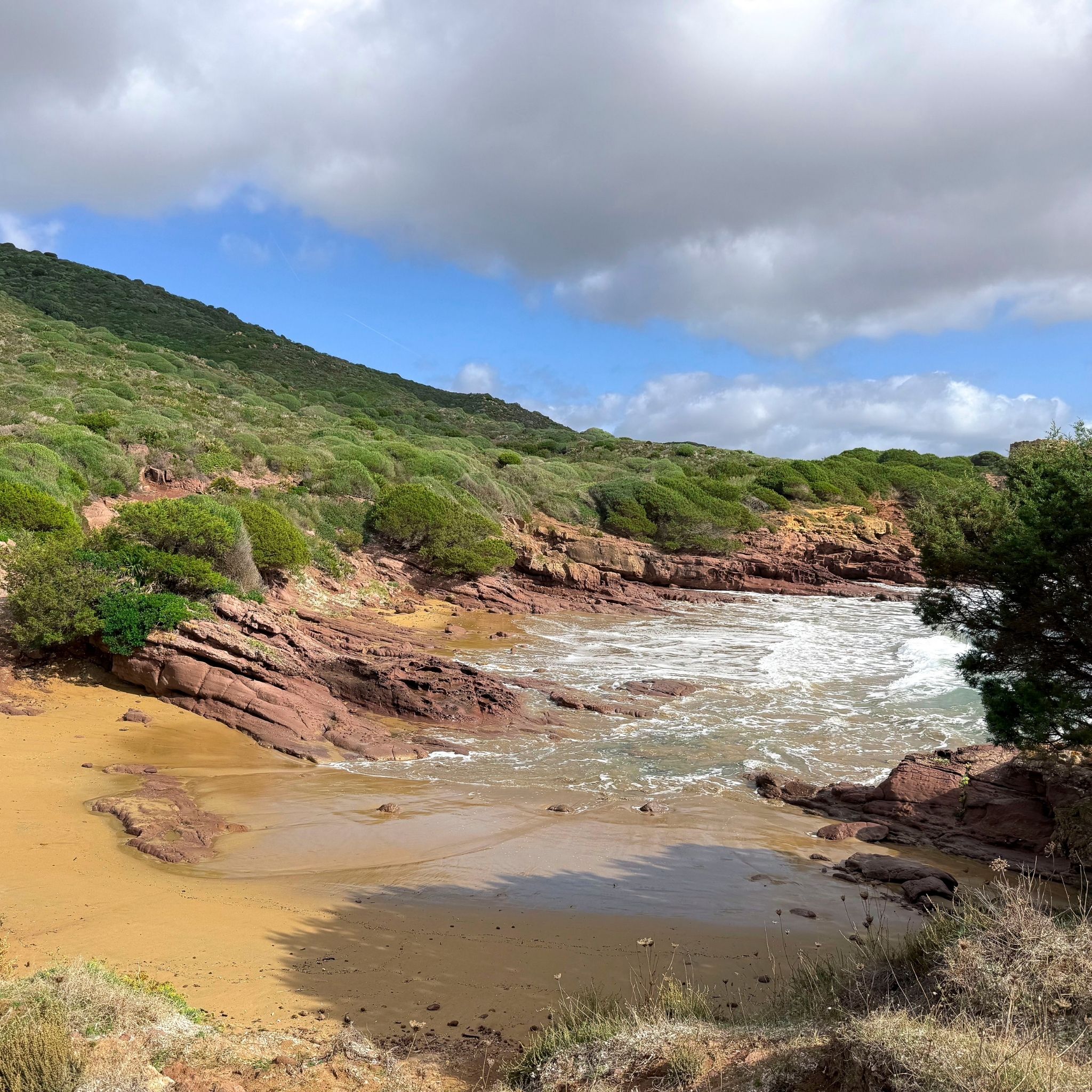
Torre Bianca di Porto Ferro was the first officially authorised clothes-free beach in Sardinia, established in 2018. The nude section is a series of coves beneath an old coastal watchtower, some open and social, others small and sheltered, giving a good range of settings within a short walk of each other. The coastline here is dramatic and largely untouched.
RemoteNatural settingSandyRockyNo facilities
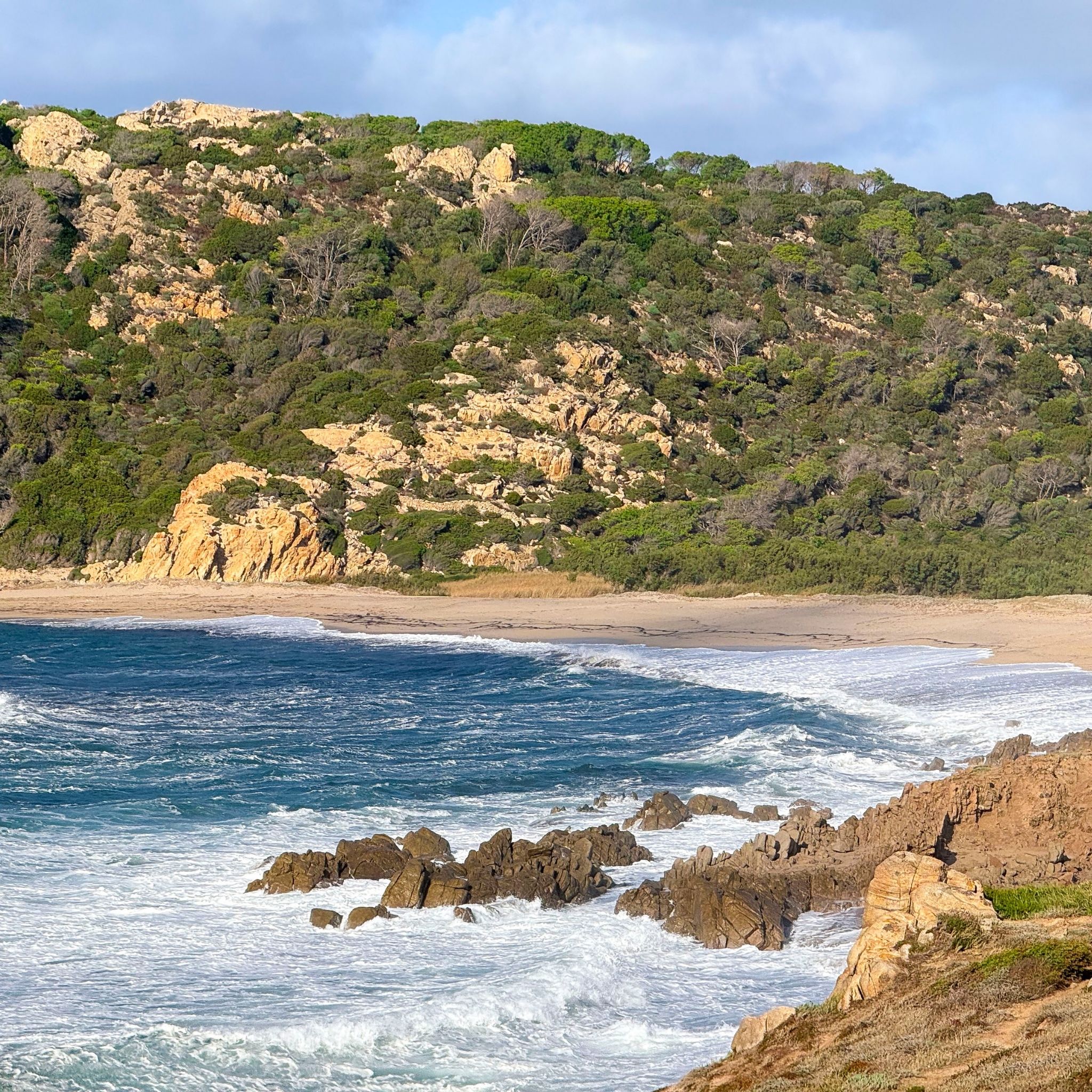
Monti Russu
41.148507660220496, 9.123383436967533
Monti Russu, in the north near Santa Teresa di Gallura, carries a sign describing the beach as reserved for heliotherapy, a local euphemism for clothes-free rather than an explicit label. It isn’t part of Sardinia’s official naturist district, but the signage is well understood locally. The beach itself, a broad sandy cove backed by Mediterranean scrub, has been named among Italy’s most beautiful.
QuietRemoteNatural settingSandyNo facilities
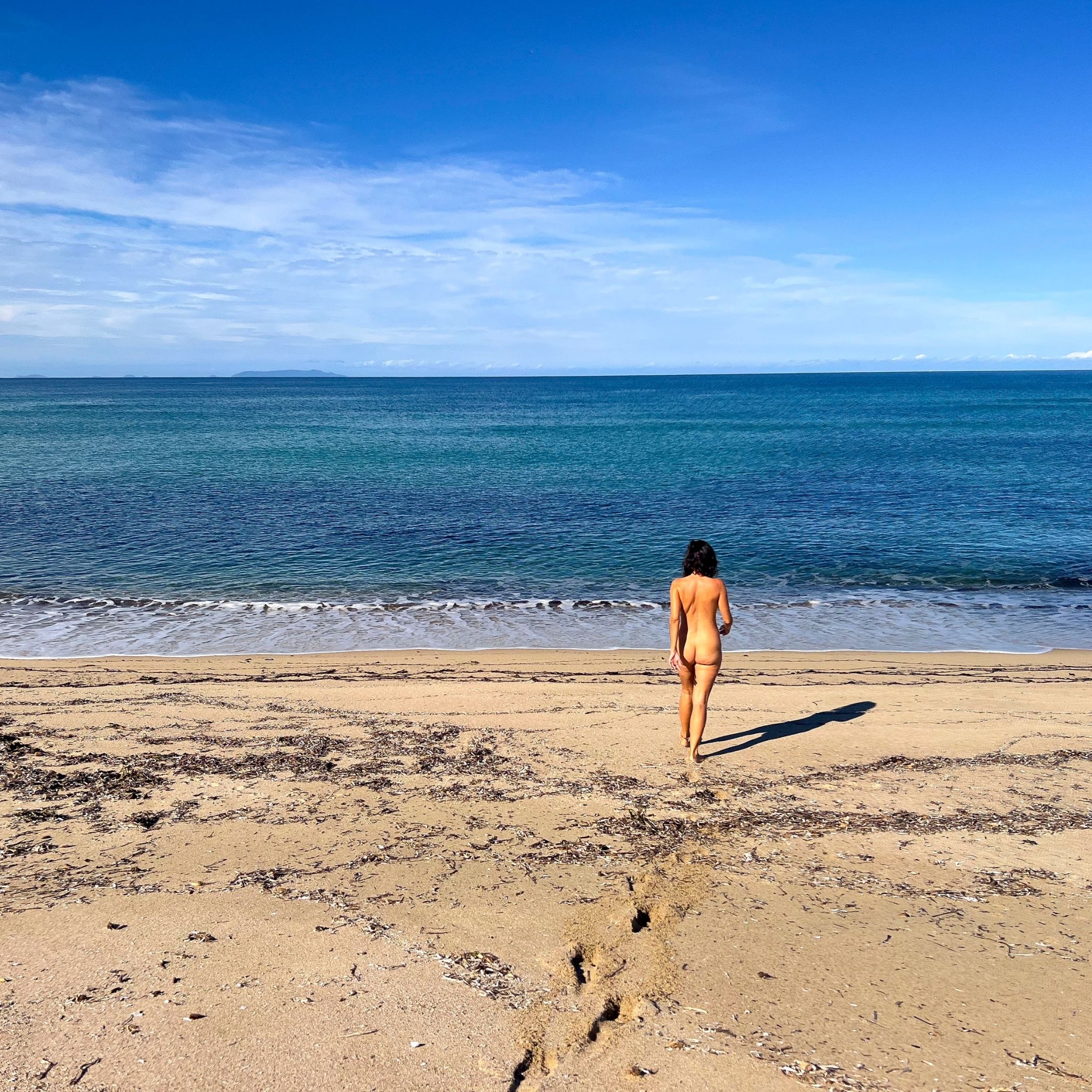
Poltu Biancu
40.95997153482188, 8.839008845448705
Poltu Biancu, part of the Baia delle Mimose stretch near Badesi, is a wide, long, sandy beach where nudity is common even though there’s no official signage. The clothes-free stretch is at the far end, away from the nearest facilities, in a spacious, relaxed setting typical of this quieter part of the north coast.
QuietAccessibleNatural settingSandyNo facilities


