
Netherlands
Low-key, deeply normalised clothes-free experiences woven into daily Dutch life, from nude beaches to naked saunas.
Best season:June to September
Nude beaches:Over 90 official nude beaches
Accommodations:Dozens of campsites and clubs
country info
The Clothes-Free Landscape
In the Netherlands, being naked rarely needs an occasion. It shows up in the sauna after work, on a stretch of North Sea coastline marked by a numbered pole, at a lakeside campsite where clothing is never the plan. There is a matter-of-factness to it that surprises visitors from more self-conscious cultures. Nobody is performing liberation. The body is just there, doing what bodies do in warm water or open air, and that everyday ease is what the clothes-free experience in the Netherlands actually looks like.
This is not a naked enclave carved out of a conservative country. It is closer to a national habit, threaded through daily life as easily as cycling or queuing for stroopwafels. For a clothes-free traveller, that changes what a trip here actually looks like.
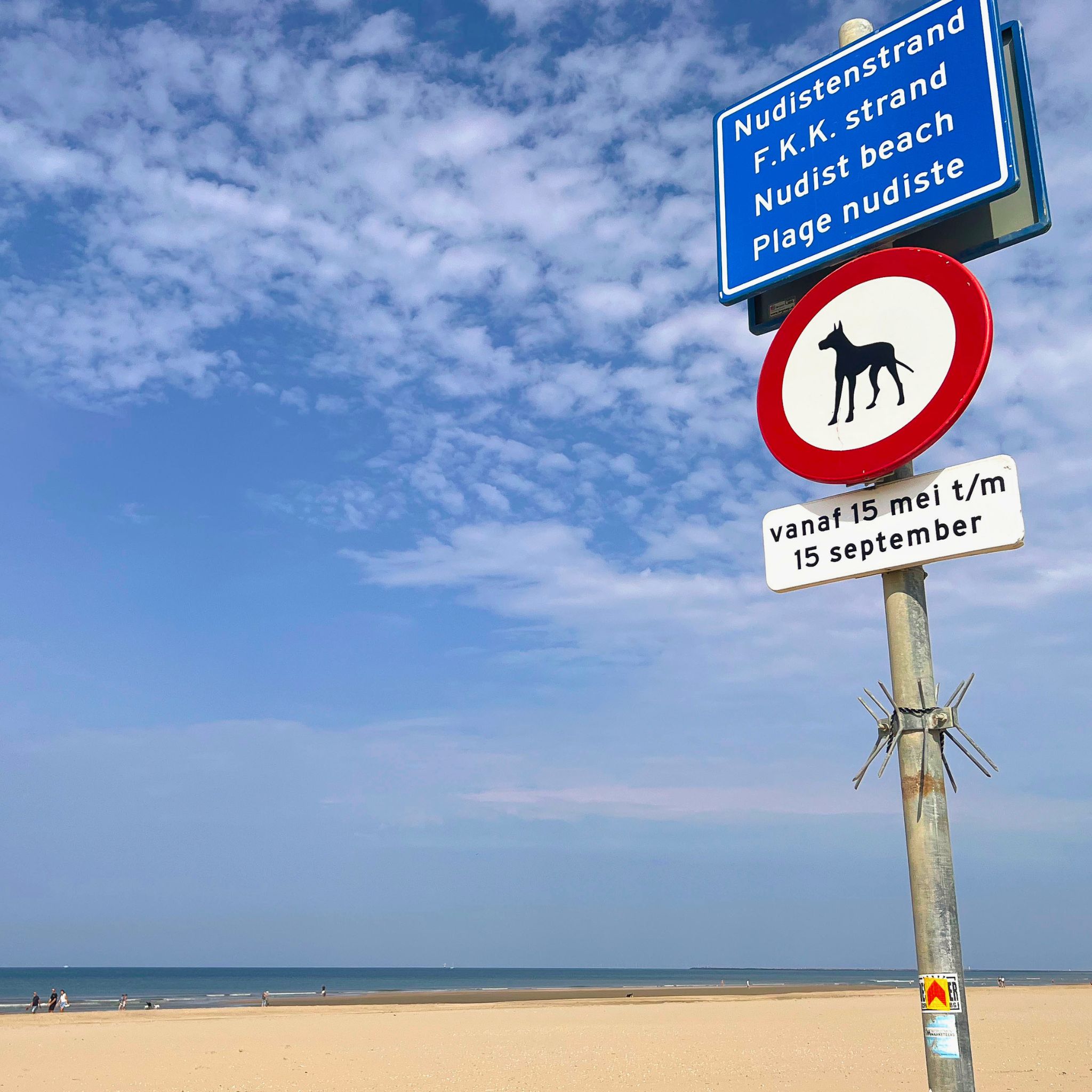
Three strands make up clothes-free travel in the Netherlands. There is the nude beach culture: more than 90 officially recognised nude beaches run along the North Sea coast and the Wadden Islands, most well-marked by signage. There is the campsite and club scene, inland and low-key, built around nude recreation rather than sightseeing. And there is the sauna and wellness world. Public bathhouses and spa complexes across the country run on a no-textiles policy as a matter of hygiene and tradition.
Geography matters mostly for beach access. The North Holland coast puts a handful of nude beaches within a short train ride of Amsterdam, easy to combine with a city trip. Zeeland and the Wadden Islands, further from the cities, tend to be quieter and slower, with more room to spread out. Inland naturist campsites cluster around Flevoland and stretch into other provinces.
The overall attitude is closer to indifference than enthusiasm, which for most travellers reads as a relief. Nobody is watching. This suits travellers who want going naked folded into an otherwise ordinary trip more than travellers chasing an immersive clothes-free retreat, though both experiences exist here.
where to go
An Overview
Beach Holidays
WHO THIS IS FOR
WHO SHOULD GO & who should not
Great for
- ✓ First-timers looking for a low-pressure introduction to nude beaches
- ✓ Anyone curious about Dutch sauna and wellness culture
- ✓ Cyclists and train travellers who would rather not rent a car
not ideal if
- ✕ You want a resort-style experience
- ✕ You are travelling outside June to September and expect great weather every day
leave prepared
all the essentials
practical
what to know
Getting there & around
Amsterdam Schiphol is the main international gateway, with fast rail and motorway connections across the country. Eindhoven and Rotterdam-The Hague airports serve as smaller alternatives depending on where a trip starts, and the Netherlands’ compact size means internal journeys rarely take more than two or three hours by train.
A car is not required for every part of a clothes-free trip. Coastal beaches such as Zandvoort are reachable by train directly from Amsterdam, and short distances are easy to cover by bike once on the ground. A car becomes useful, and sometimes necessary, for reaching inland naturist campsites and the quieter stretches of coast in Zeeland or the Wadden Islands, where public transport thins out.
Legal status
Nudity is legal in the Netherlands, where municipalities can create nude zones but cannot ban nudity from a beach altogether. The same standard applies beyond the coast, in nature reserves and other natural settings.
The wider cultural backdrop reinforces the relaxed logic. Nudity is deeply normalised through the Dutch sauna and wellness tradition, where going without clothes is standard practice rather than something reserved for naturist-specific spaces.
when to visit
June through September is the practical window for clothes-free travel in the Netherlands, and the character of it shifts as the summer goes. June offers mild weather and smaller crowds, good for beach or campsite pool time without competing for space. July and August are the busiest months, with families filling naturist campsites during Dutch and Belgian school holidays.
September tends to suit experienced travellers best. Fewer visitors, lower campsite rates, and the North Sea still holding onto summer warmth. Outside that window, most campsites close for the season. Indoor saunas and spas do not follow this pattern and operate year-round, which makes winter a reasonable time for a wellness-focused trip instead.
what to know
Dutch nude recreation runs on a live-and-let-live etiquette rather than a strict rulebook. Photography is generally frowned upon at nude beaches and campsites, and it is worth asking before pointing a camera at anyone. Many beach pavilions and cafes on the fringes of nude sections still expect clothing at the tables, even where the sand in front of them does not.
At naturist campsites and clubs, nudity is usually the default in communal areas like pools and sauna zones, though putting on a robe or towel to walk between buildings is common and not a problem. Booking ahead matters most in July and August, when Dutch and Belgian school holidays fill larger sites like Flevonatuur. Outside peak season, turning up with less planning is usually fine.
FAQ
most asked questions
Is nudism legal in the Netherlands?
Nudity is legal in the Netherlands, where municipalities can create nude zones but cannot ban nudity from a beach altogether. The same standard applies in nature reserves and other natural settings. Zones are usually marked with a numbered pole or a sign.
Where are the best clothes-free destinations in the Netherlands?
The Netherlands has more than 90 official nude beaches, concentrated along the North Holland coast, the Wadden Islands, and Zeeland. Zandvoort is one of the most accessible, reachable by train from Amsterdam, while Zeeland's beaches around Breskens draw a quieter, family-oriented crowd. Flevonatuur, in Flevoland, is the country's largest clothes-free campsite and a common starting point for a longer stay.
Is the Netherlands a good destination for first-time clothes-free travellers?
Yes. Dutch nude recreation is low-key rather than immersive, which makes it an easy entry point. A first-timer can combine a city trip to Amsterdam with a short train ride to a nude beach, or try a naked sauna, without needing to book a dedicated naked holiday.
What is the best time of year for clothes-free travel in the Netherlands?
June through September is the main window, with June offering mild weather and smaller crowds, and September combining fewer visitors with lower campsite rates. Most campsites run seasonally from around March or April to October, while indoor spas and saunas operate year-round.
Do I need a car to visit clothes-free venues in the Netherlands?
Not always. Coastal beaches near cities, such as Zandvoort, are reachable by train, and the Netherlands' cycling infrastructure covers short local distances well. A car is more useful for inland campsites and beaches in Zeeland or the Wadden Islands.