
Sicily vs Sardinia: Italy’s Two Islands Compared for Clothes-Free Beach Days
Two Italian islands for clothes-free beach days, one with simple unofficial beaches and one with official ones.
Updated: October 2025
why this matters
making the choice
Italy has two big islands that appeal to clothes-free travellers, and they are often mentioned in the same breath. Sicily lies off the toe of the mainland. Sardinia lies further north, west of the Italian coast. Both have warm seas, long summers and beaches where nudity is accepted.
The beaches are very different, though. Sicily has a handful of mostly unofficial spots with no services. Sardinia has more clothes-free beaches and several that are officially designated. Both need a car, and both reward a longer trip.
This page compares beach landscape, season, travel effort and how each island fits into a longer Italian trip, so you can choose the island for your clothes-free days.

Sicily
Sicily has nine clothes-free beaches, most of them unofficial. Piano Torre and Forza d’Agro are the two official ones, and Foce del Fiume Platani is the recommended place to start. None of the beaches has facilities. A car is essential, and the season runs from April to October.
Sardinia
Sardinia has 13 clothes-free beaches, with several officially designated, including Piscinas, Feraxi and Baia delle Ninfe. Many are reached on a walk of 10 to 30 minutes from the car, and a car is mandatory. The season runs from May to October.
side by side
how they compare
Option ASicily
Option BSardinia
Getting to the Island
Sicily has four airports: Catania, Palermo, Trapani and Comiso. Domestic flights from Rome are among the links.
Ferries carry cars from the mainland. Naples to Palermo takes roughly 10 to 11 hours overnight, and Genoa to Palermo roughly 20 hours. From the toe of Italy, a short crossing from Villa San Giovanni to Messina takes about 35 to 40 minutes, which suits a road trip south through the country.
Sardinia has three airports: Olbia, Cagliari and Alghero. Domestic flights from Rome are among the links.
Ferries carry cars from the mainland. Civitavecchia to Olbia takes roughly 10 to 14 hours. Routes also run from Livorno to Golfo Aranci and from Genoa to Olbia, so the crossing can be matched to a drive through Tuscany or the north of Italy.
Nude Beach Landscape
Sicily has nine clothes-free beaches along its coast, and most are unofficial. Piano Torre and Forza d’Agro are the two official beaches.
The best-known recommendation is Foce del Fiume Platani, where a river meets the sea. The beaches are simple and have no services, which gives them a quiet, natural feel and a sense of having found a place that belongs to the coast.
Sardinia has 13 clothes-free beaches along a long coastline. Torre Bianca di Porto Ferro and Piscinas, an 800 m stretch at Arbus, are among the official ones. Feraxi runs for about 400 m, and Baia delle Ninfe is another official beach.
The island’s official beaches make it easy to find a named, mapped place to swim clothes-free, with plenty of room to spread out.
Clothes-Free Rules and Culture
Most of Sicily’s clothes-free beaches are unofficial, so local custom decides. At the official nude beaches, nudity is the norm, though nobody has to undress.
At the unofficial beaches, read the mood, keep to quieter stretches and follow what others do. Foce del Fiume Platani is the recommended starting point for anyone who wants an easy first clothes-free day.
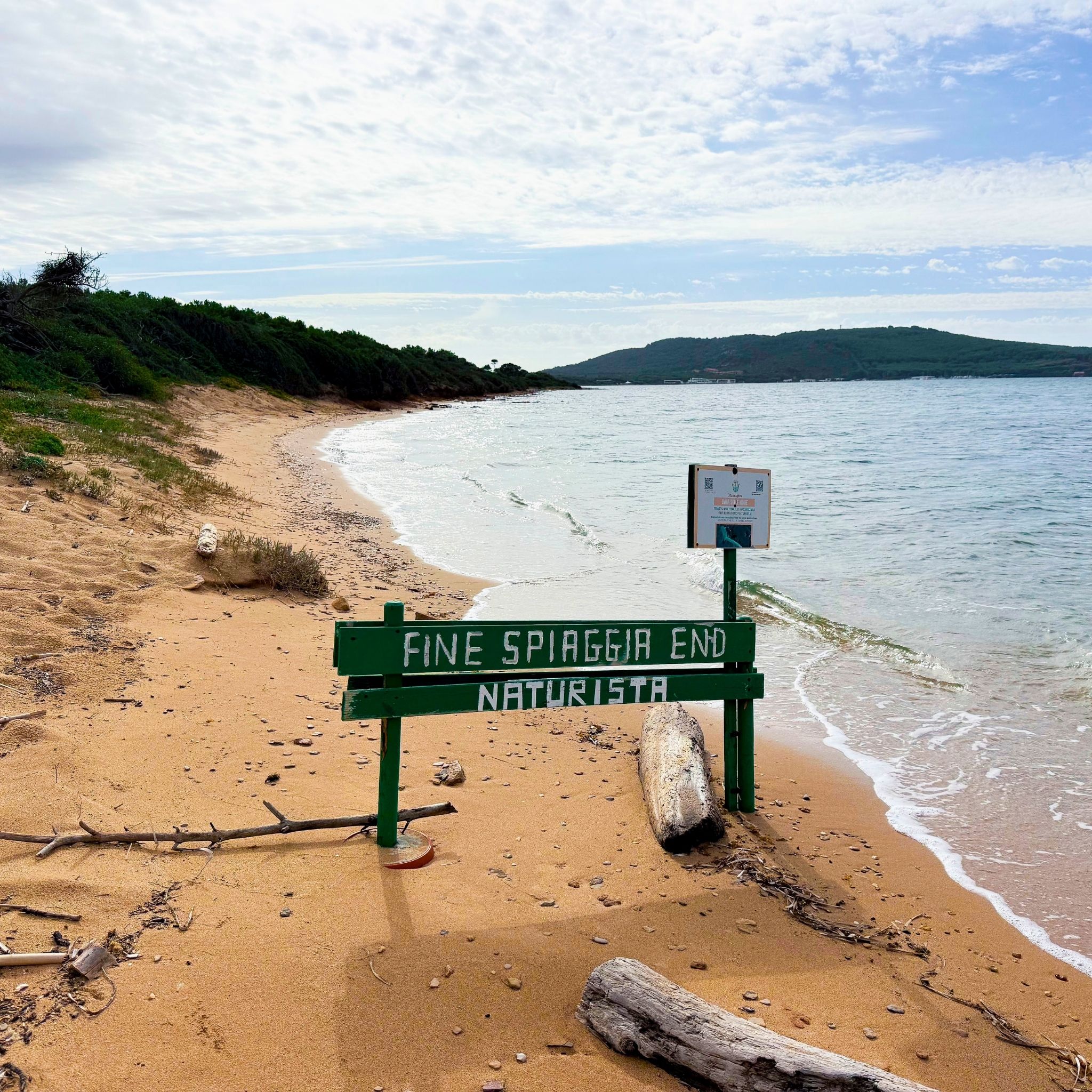
Sardinia has several official beaches, so nudity is the norm at Torre Bianca di Porto Ferro, Piscinas, Baia delle Ninfe and Feraxi. A marked section at Sa Marina also welcomes clothes-free visitors.
At the other beaches, going nude is informal, so look at what others are doing before you undress. The official beaches offer the clearest guidance for first-timers.
Season and Beach Access
The clothes-free season on Sicily runs from April to October, about seven months. A car is essential for reaching the beaches, which lie spread out along the coast.
None of the nine beaches has facilities, so bring water, food, sun protection and shade. Plan the day around your own supplies, and keep the fuel tank full before heading to the more remote stretches of the coast.
The clothes-free season on Sardinia runs from May to October, about six months. A car is essential, and many beaches need a walk of 10 to 30 minutes from where you park.
Bring water, food, sun protection and sturdy footwear for the walk, and plan the day around your own supplies. Allow generous time between beaches, because the island is large and the coast is long.
Fit in an Italian Trip
Sicily covers 25,711 square kilometres and has two UNESCO sites of its own, the Valley of the Temples and Mount Etna.
It pairs well with Naples, the Amalfi coast and Puglia, so clothes-free beach days on Sicily can become one chapter in a longer Italian journey full of food, towns, art and coast. The sea crossing from the mainland gives the trip a sense of arrival.
Sardinia covers about 24,100 square kilometres and has its own UNESCO site, Su Nuraxi at Barumini, an ancient stone settlement.
It pairs well with Corsica, Tuscany and Rome, so clothes-free beach days can become one chapter in a longer Mediterranean journey full of food, towns, art and coast. The ferry from the mainland gives the trip a sense of arrival.
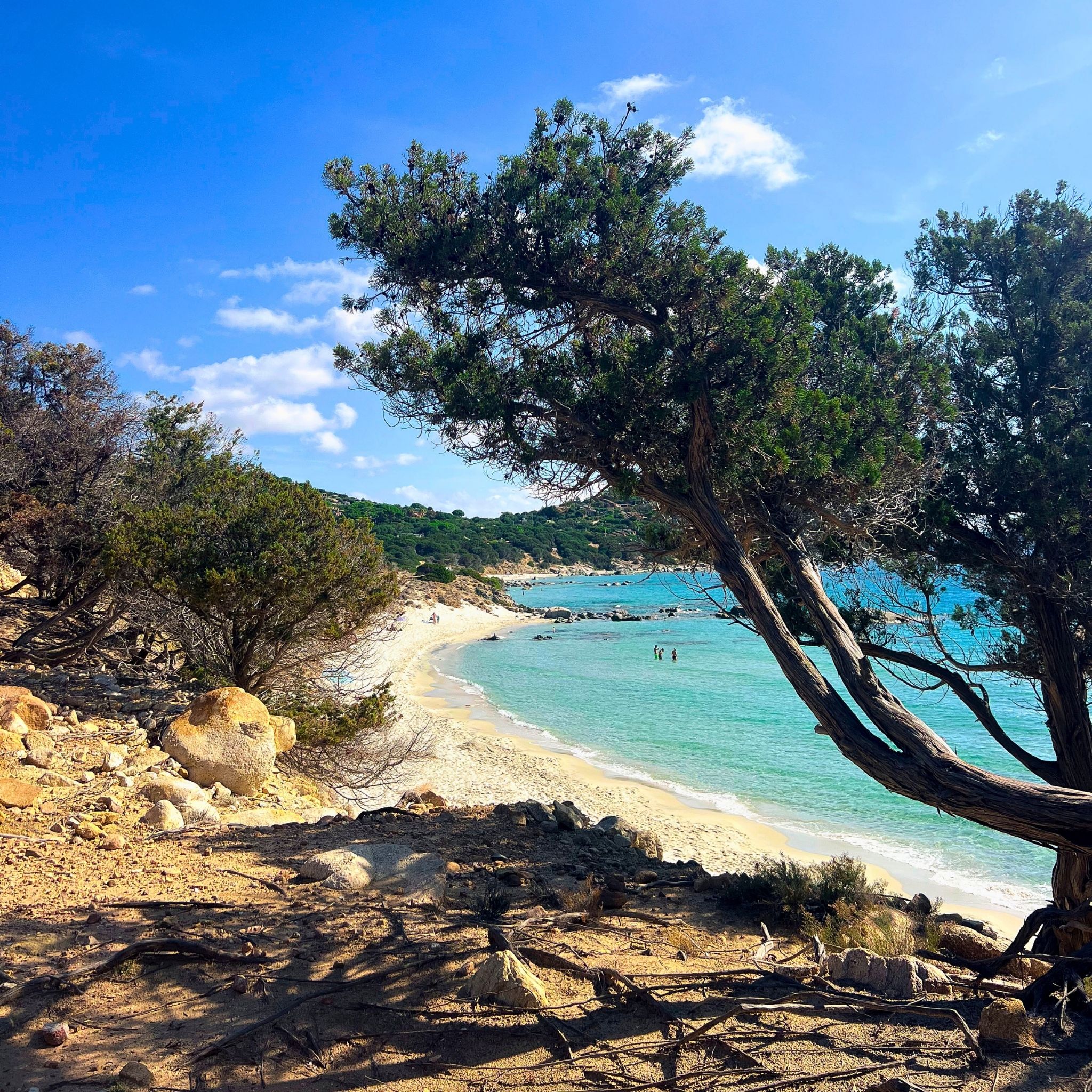
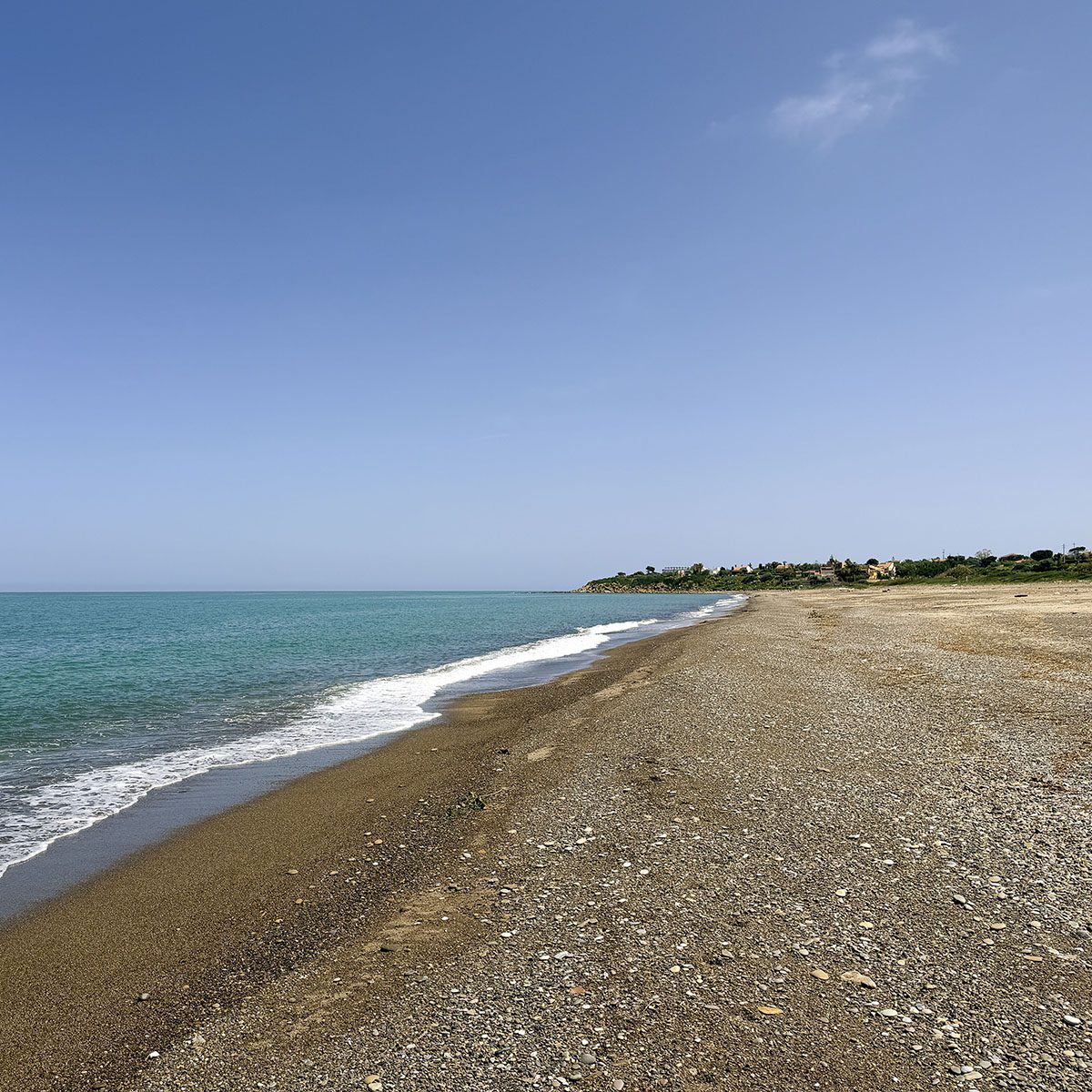
Sicily in pictures
←



→
swipe or use arrows
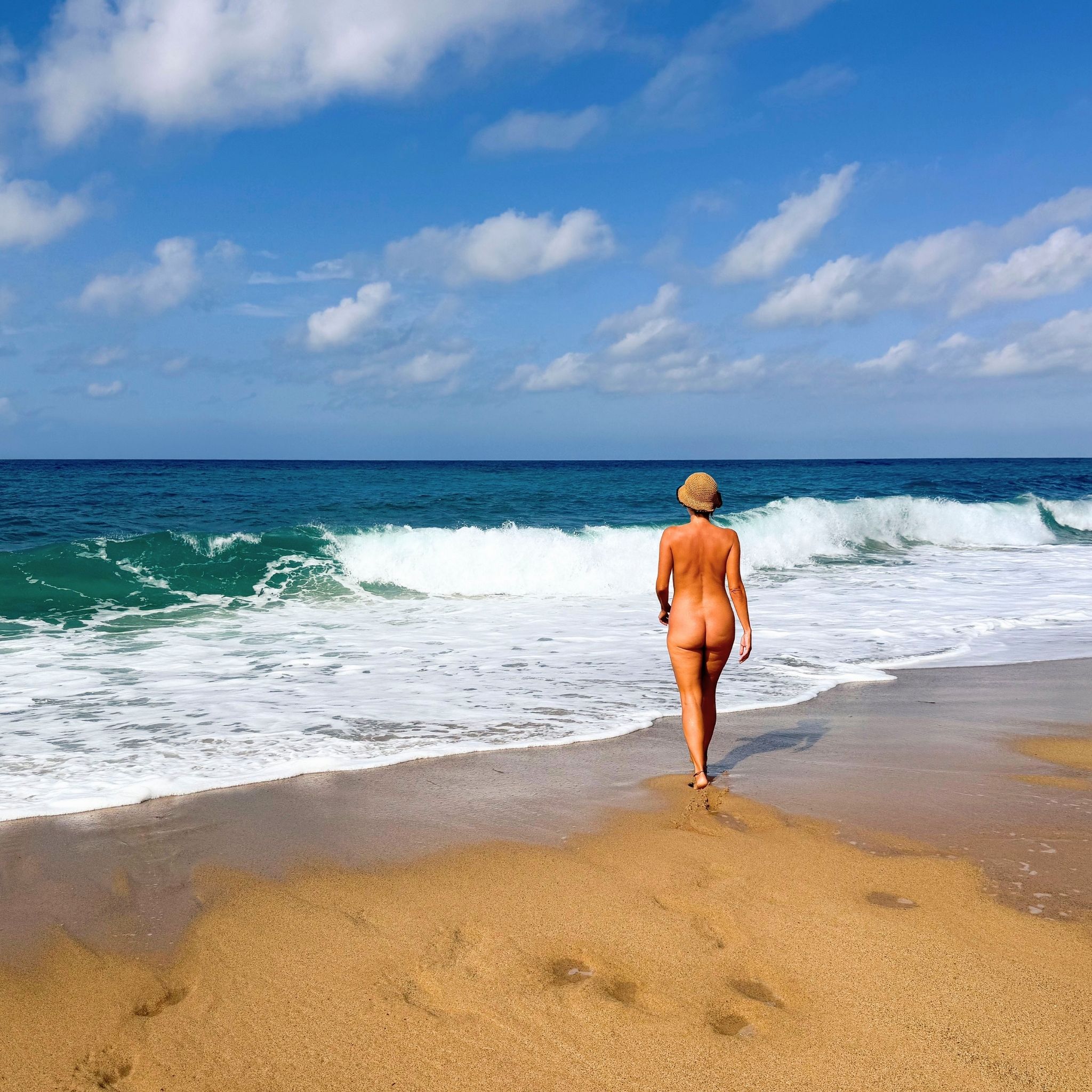
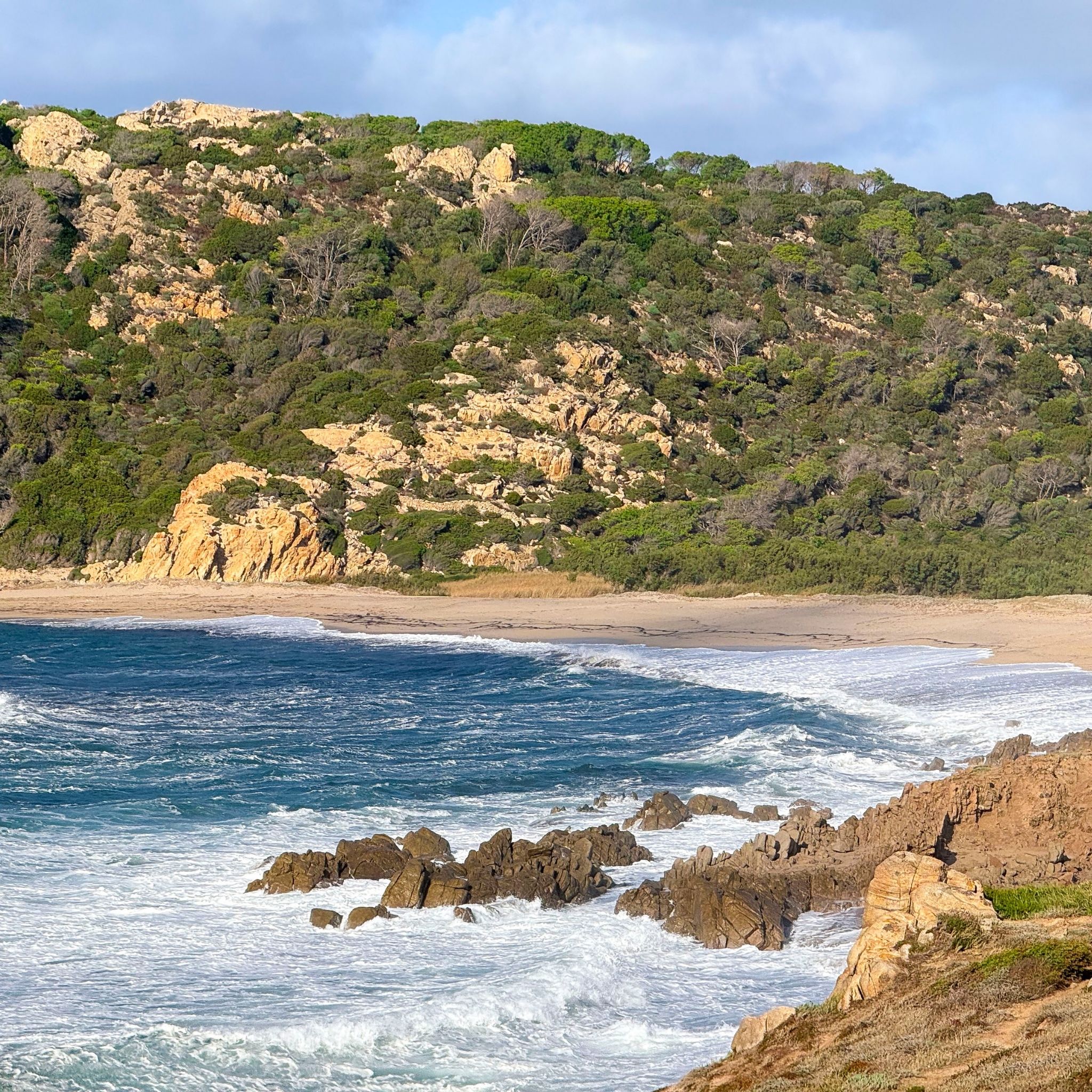
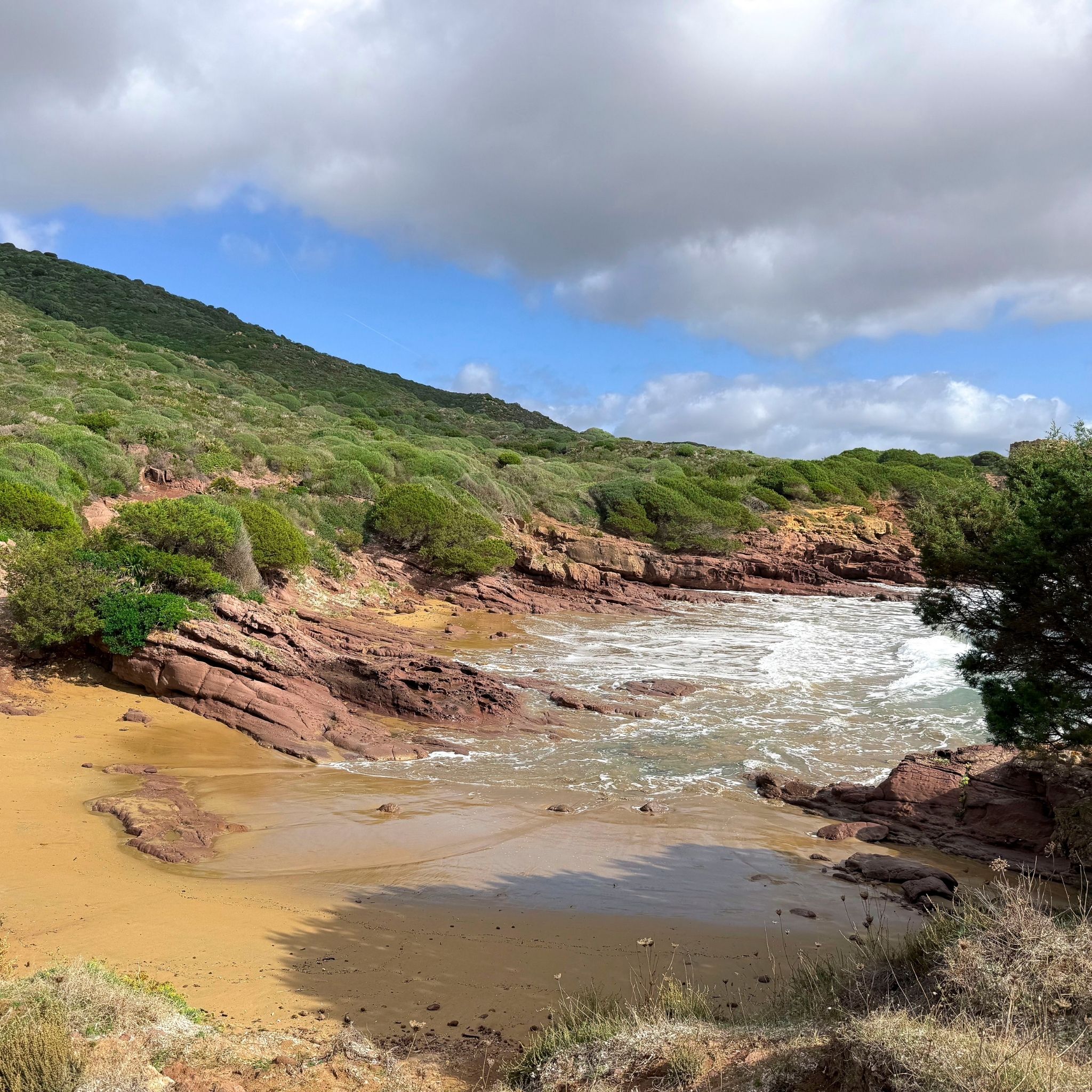
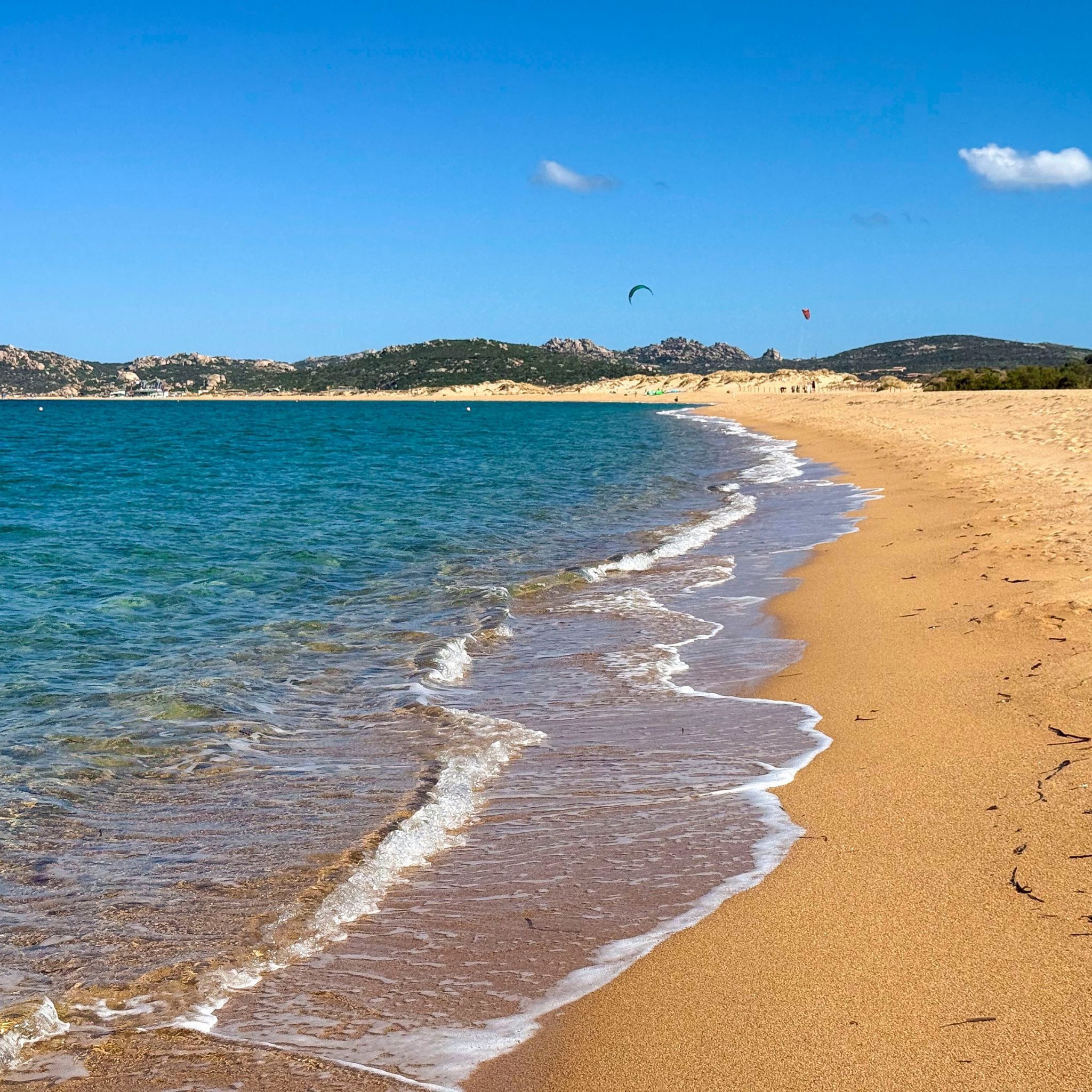
Sardinia in pictures
←
→
swipe or use arrows
pick your favourite
chosing the best for you
Choose Sicily if...
- you want two UNESCO sites, the Valley of the Temples and Mount Etna, near your beach days
- you love simple, unofficial beaches with no services
Choose Sardinia if...
- you want official beaches such as Piscinas, Feraxi and Baia delle Ninfe
- you don't mind walking 10 to 30 minutes to a quiet beach
practical
what to know
getting there
Both islands are easiest to reach by air or by ferry, and both need a car once you arrive.
Sicily has airports at Catania, Palermo, Trapani and Comiso. Sardinia has airports at Olbia, Cagliari and Alghero. Domestic flights from Rome serve both islands.
Ferries carry cars to both. Routes to Sicily include Naples to Palermo, Genoa to Palermo, and the short crossing from Villa San Giovanni to Messina. Routes to Sardinia include Civitavecchia to Olbia, Livorno to Golfo Aranci and Genoa to Olbia.
A direct ferry also links Palermo and Cagliari, so a trip to both islands is possible. Check the crossing time and schedule with the operator before you plan.
Where to Stay
Choose a base near the beaches that appeal to you, because both islands are large and the clothes-free beaches are spread along the coast. A car makes it easy to reach them from a base in a nearby town.
On Sicily, the nine beaches lie along the coast, so pick the beach you want first and then the town nearby. On Sardinia, the official beaches lie in several regions, so pick the region first and then the accommodation.
Neither island has clothes-free resorts.
when to go
Sicily’s clothes-free season runs from April to October. Sardinia’s runs from May to October. April is the first month to plan around on Sicily, and May is the first on Sardinia.
Summer is the warmest period on both islands, with long days that suit long beach stays. Wind can affect beach days, so check the forecast and choose a sheltered beach when it blows. The mistral wind can blow on Sardinia.
Bring a light layer for cooler spring and autumn days, and expect the busiest period in July and August.
what to know
Bring water, food, sun protection and a towel, because few beaches have facilities. Sturdy footwear helps on the walks to Sardinia’s beaches.
Nudity is never mandatory. At official beaches it is the norm, and at unofficial beaches local custom decides, so look at what others are doing before you undress.
A car is essential on Sicily and Sardinia. Park where signs allow, keep valuables out of sight and check the sea before you swim.
leave prepared
all the essentials
Find flightsBook Find flights
Find ferriesBook Find ferries
Rent a carBook Rent a car
Book a tourBook Book a tour


